
Wellness · October 12, 2026
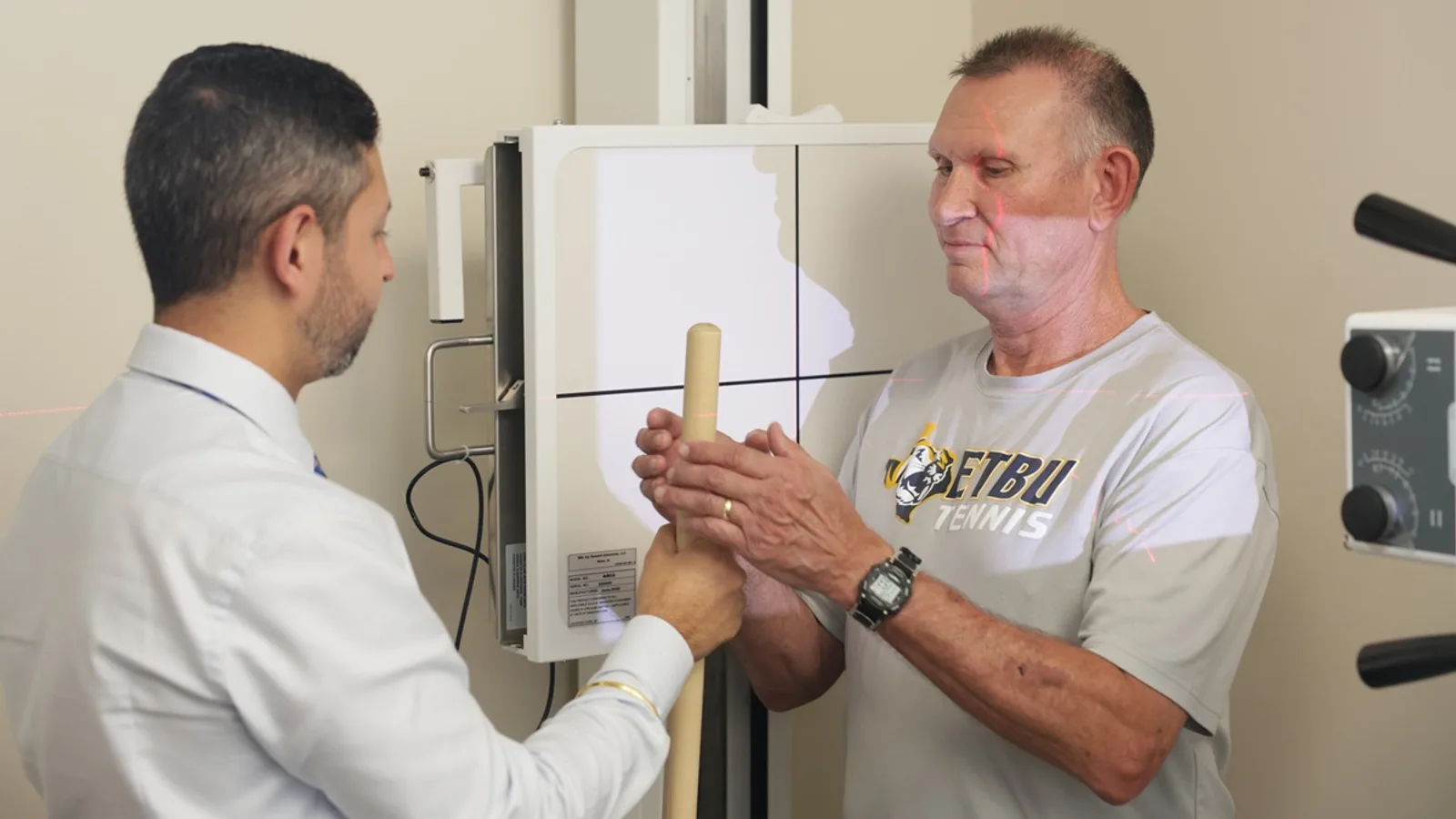
Back injuries have a way of showing up when you least expect them — lifting a bag of groceries, reaching for something on a high shelf, or simply bending down to tie your shoes. Here in Houston, TX, we see this pattern regularly at Mulberry Chiropractic. Patients walk through our doors frustrated, wondering how something so ordinary could leave them sidelined for days or even weeks. The good news is that most back injuries are not random events. They are often the result of accumulated stress on the spine — stress that builds quietly over time until the body finally signals that something needs attention. Understanding the precautions to help avoid back injuries can make a meaningful difference in your daily quality of life, and that is exactly what this article is here to help you do.
What exactly is a back injury?
A back injury refers to any damage or strain affecting the muscles, ligaments, discs, or joints of the spine. Back injuries range from mild muscle soreness to more significant structural problems involving the spinal discs or surrounding nerves. They can develop suddenly through a single event or gradually through repetitive stress and poor movement habits.
Why Back Injuries Happen More Than You Think
The spine is an incredible structure. It supports your entire upper body, allows you to twist and bend in multiple directions, and protects the spinal cord that carries signals between your brain and every part of your body. But because it is so central to everything you do — standing, sitting, lifting, walking — it is also one of the most frequently stressed areas in the body.
Back pain and back injuries are among the most common reasons people miss work and seek medical attention worldwide, according to the World Health Organization. What makes this especially important to understand is that the majority of back injuries do not stem from dramatic accidents. They come from everyday habits. Sitting for hours at a desk with your shoulders rounded forward. Lifting heavy items with a bent spine instead of your legs. Carrying stress in your upper back and shoulders without ever truly releasing it. Over time, these patterns add up.
Here in West Houston, Dr. Richard Sharma sees this frequently — patients who lead active, demanding lives but have never been taught how to move in ways that protect their spine. The encouraging part is that with the right knowledge and a few intentional adjustments to your daily routine, you can significantly reduce your risk of a back injury before it ever starts.
Common Causes of Back Injuries
Before you can take meaningful precautions to help avoid back injuries, it helps to understand what is actually causing them. Back injuries rarely have a single cause. They are usually the result of a combination of factors that compound over time.
Poor lifting mechanics are one of the most common contributors. When you bend at the waist and round your lower back to pick something up — even something light — you place a disproportionate load on the lumbar discs and surrounding muscles. These structures are not designed to bear heavy loads in that position, and repeated stress in this posture can lead to disc problems, muscle strains, and ligament sprains.
Prolonged sitting is another major factor that deserves more attention than it often gets. Many of our patients in West Houston work long hours in office environments or in the energy sector, where desk work is the norm. Sitting compresses the lumbar spine, tightens the hip flexors, and weakens the core muscles that support healthy posture. Without intentional movement throughout the day, the spine gradually loses the support it needs to stay healthy.
Weak core muscles play an important role as well. The core is not just the abdominal muscles — it includes the deep stabilizing muscles along the spine, the pelvic floor, and the muscles of the hips and glutes. When these muscles are underdeveloped or underactive, the spine itself has to compensate, which accelerates wear and increases injury risk.
Repetitive motions, sudden movements without adequate warm-up, and even chronic stress — which causes the body to hold tension in the muscles of the back and neck — all contribute to the cumulative load the spine carries. Understanding these causes gives you a clear starting point for taking better care of your back every day.
Key Precautions to Help Avoid Back Injuries
The most effective precautions to help avoid back injuries are not complicated. They are consistent, intentional habits that work with the natural design of your spine rather than against it.
Lift with your legs, not your back. This is one of the most well-established principles in musculoskeletal health. When picking up objects — whether it is a child, a box, or a bag of groceries — hinge at the hips and bend your knees to lower yourself. Keep the object close to your body and your spine as neutral and upright as possible. Avoid twisting while lifting. If something is heavy, ask for help or use proper equipment.
Support your spine throughout the day. If you sit for long periods, make sure your workstation is set up to support a neutral spine position. Your feet should rest flat on the floor, your knees should be at roughly a 90-degree angle, and your screen should be at eye level so that your neck is not constantly flexed forward. A lumbar support cushion can also help maintain the natural curve of your lower back while seated.
Move regularly and break up prolonged sitting. Even with a perfectly ergonomic workspace, staying in any one position for too long takes a toll on the spine. Try to stand, walk, or gently stretch for a few minutes every 30 to 45 minutes. These brief movement breaks reduce spinal compression and keep the surrounding muscles from tightening up.
Strengthen your core consistently. A strong, balanced core provides the support structure your spine needs during every activity. Low-impact options like walking, swimming, and pilates are excellent starting points, especially for individuals who are newer to exercise or recovering from discomfort. Dr. Richard Sharma can help guide patients at Mulberry Chiropractic toward movement strategies that are appropriate for their specific situation.
Pay attention to sleep posture. The position you sleep in affects your spine more than most people realize. Sleeping on your back with a pillow under your knees, or on your side with a pillow between your knees, helps keep the spine in a more neutral alignment throughout the night. Sleeping on your stomach tends to strain the lower back and neck and is generally not recommended for spinal health.
How Chiropractic Care Fits Into Prevention
Chiropractic care is often thought of as something you seek out after a back injury has already occurred. But one of the most valuable — and underutilized — aspects of chiropractic care is its role in prevention. At Mulberry Chiropractic in Houston, TX, Dr. Richard Sharma takes a proactive, root-cause approach that helps patients identify structural imbalances and movement patterns before they develop into painful injuries.
The Gonstead method, which is the specific technique practiced at Mulberry Chiropractic and the only one of its kind in the West Houston area, is particularly well-suited to this kind of preventive care. Rather than applying generalized adjustments to the whole spine, the Gonstead method involves a thorough spinal analysis — including posture evaluation, range of motion assessment, and precise identification of which spinal segments are not moving or functioning as they should. This level of specificity means that care is targeted, intentional, and grounded in what your spine actually needs.
When joints in the spine become restricted and stop moving properly, the surrounding muscles must compensate. Over time, this compensation creates uneven loading throughout the back, which increases the likelihood of injury during ordinary activities. Chiropractic adjustments using the Gonstead method aim to restore proper joint motion and reduce that compensatory stress — making your spine more resilient before problems escalate.
Beyond adjustments, our team at Mulberry Chiropractic educates patients about what is happening in their spine and why. Understanding your own body is one of the most empowering things you can do for your long-term health. When patients leave our office, they understand not just how they feel, but why — and what they can do to stay well.
Practical Daily Tips for a Healthier Spine
Taking care of your spine does not have to be complicated or time-consuming. Small, consistent habits make a genuine difference over time. Here are several practical ways to weave spinal care into your everyday routine.
Warm up before physical activity. Whether you are heading to the gym, working in the yard, or playing with your kids at the park, take five minutes to gently warm up the muscles of your back, hips, and legs. Light walking, hip circles, and gentle trunk rotations can prepare your tissues for more demanding movement and reduce injury risk significantly.
Be mindful of how you carry weight. Backpacks, bags, and purses that are slung over one shoulder create asymmetrical loading on the spine. Whenever possible, use a properly fitted backpack worn on both shoulders, distribute weight evenly, and avoid carrying more than you need to.
Stay hydrated. The intervertebral discs — the cushioning structures between each vertebra — are largely made up of water. Adequate hydration helps these discs maintain their height and shock-absorbing capacity throughout the day. It is a simple habit that supports spinal health from the inside out.
Manage stress intentionally. Chronic stress causes the body to hold muscular tension, particularly in the upper back, neck, and shoulders. Over time, this sustained tension increases the load on spinal structures and contributes to pain and injury. Practices like deep breathing, gentle walking, and adequate sleep all play a role in keeping that tension from accumulating.
When to See a Chiropractor
There is no single rule about when to seek chiropractic care, but there are some clear indicators that a professional evaluation would be a wise next step. If you have been experiencing back pain — even mild or intermittent discomfort — that has persisted for more than a few days without improvement, that is a reasonable time to get evaluated. Pain that keeps returning in the same area, even after it temporarily resolves, is often a sign that an underlying structural issue has not been addressed.
Stiffness in the morning that takes more than a few minutes to work out, difficulty standing upright after sitting for a while, or pain that begins to travel into the hips, buttocks, or legs are all signs worth taking seriously. These patterns suggest that the spine may not be moving and functioning as it should, and they tend to progress rather than resolve on their own without the right care.
There are also certain symptoms that are considered red flags and warrant prompt medical attention rather than waiting. These include back pain following a significant fall or trauma, pain accompanied by bladder or bowel changes, numbness or weakness that spreads into both legs, or unexplained weight loss alongside back pain. If you experience any of these, please seek medical evaluation promptly.
For everything else — from nagging soreness to postural concerns to wanting a thorough spinal assessment as part of a preventive health approach — Dr. Richard Sharma and the team at Mulberry Chiropractic are here to help. We welcome patients from across the West Houston area and are always happy to answer questions before you book your first appointment.
Protective Habits vs. Harmful Habits
Situation | Harmful Habit | Protective Habit |
|---|---|---|
Lifting objects from the floor | Bending at the waist with a rounded lower back | Hinging at the hips, bending the knees, keeping the back neutral |
Working at a desk | Slouching forward with the screen too low or too high | Ergonomic setup with screen at eye level and lumbar support |
Carrying bags or purses | Consistently carrying weight on one shoulder | Using both straps of a backpack or alternating shoulders regularly |
Sleeping position | Sleeping on the stomach with the neck rotated | Sleeping on the back or side with appropriate pillow support |
Before physical activity | Jumping into exercise without warming up | Taking 5 minutes for gentle movement and dynamic warm-up |
Long periods of sitting | Staying seated for 2+ hours without movement | Standing and moving for a few minutes every 30–45 minutes |
Myths vs. Facts About Back Injuries
Myth: Resting completely is the best treatment after a back injury.
Fact: While brief rest may be appropriate immediately after an acute injury, prolonged bed rest is generally not recommended and may actually slow recovery. Evidence suggests that gentle, controlled movement — appropriate to the type and severity of the injury — is usually more beneficial for healing than extended inactivity. A qualified chiropractor can help guide safe movement during recovery.
Myth: Only people who do heavy physical labor get back injuries.
Fact: Back injuries are just as common among people with sedentary jobs and lifestyles. Prolonged sitting, poor posture, and lack of core strength create conditions that are highly conducive to back injury — even without lifting anything heavy. Office workers and desk-based professionals are among the most common groups seen at Mulberry Chiropractic in Houston.
Myth: If the pain goes away on its own, the problem is resolved.
Fact: Pain is one signal the body uses to communicate, but the absence of pain does not always mean the underlying structural issue has been corrected. Many patients who experience recurring back problems find that their initial episodes resolved on their own — only for the issue to return and gradually worsen over time. Addressing the root cause is what creates lasting improvement.
Myth: Chiropractic care is only useful after an injury has occurred.
Fact: Chiropractic care has a meaningful role to play in prevention. Regular spinal evaluations can identify restricted joints, postural imbalances, and early signs of wear before they develop into painful problems. Many patients at Mulberry Chiropractic visit proactively as part of a long-term wellness approach — not just in response to pain.
Myth: Back injuries always require imaging like X-rays or MRIs before care can begin.
Fact: While imaging is an important tool in certain situations, it is not always necessary before beginning conservative care. A thorough history, postural assessment, and clinical evaluation provide a great deal of meaningful information. Dr. Richard Sharma will always recommend imaging when it is clinically indicated, and will refer appropriately when a situation falls outside the scope of chiropractic care.
Final Thoughts from Mulberry Chiropractic
Your spine works hard every single day — supporting everything you do from the moment you wake up to the moment you rest at night. Taking intentional steps to protect it is one of the most meaningful investments you can make in your long-term health and independence. The precautions to help avoid back injuries outlined in this article are not complicated, but they do require consistency and awareness.
At Mulberry Chiropractic, we genuinely care about the people and families we serve here in West Houston. Dr. Richard Sharma brings both clinical precision and a warm, patient-centered approach to every evaluation — helping patients understand what is happening in their body, why it matters, and what they can do about it. Whether you are dealing with a nagging ache that keeps coming back, or you simply want a thorough spinal assessment as part of a proactive health routine, we are here to help.
You deserve to move through your life without pain getting in the way. We would be honored to be part of that journey with you. When you are ready, we invite you to book a consultation with our team — and take the first step toward a healthier, more resilient spine.
Frequently Asked Questions
Can I prevent back injuries even if I already have a history of back pain?
Yes, absolutely. A history of back pain does not mean future injuries are inevitable. In many cases, understanding what contributed to your previous pain — and addressing those underlying factors with the right care plan — can significantly reduce your risk going forward. Dr. Richard Sharma at Mulberry Chiropractic can help identify the root cause and build a preventive strategy specific to your situation.
How does sitting for long periods affect the spine?
Prolonged sitting increases compression on the lumbar discs and tightens the hip flexors, which pulls on the lower back. It also tends to weaken the core muscles over time, reducing the support the spine relies on during movement. Breaking up long periods of sitting with regular movement helps counteract these effects.
Is it safe to exercise with mild back pain?
In many cases, gentle movement is actually encouraged — but the right type of exercise depends on the nature and cause of the pain. Activities like walking and swimming are generally well-tolerated. It is always wise to get a professional evaluation before starting or continuing an exercise routine when back pain is present, to make sure you are not aggravating an underlying issue.
What is the Gonstead method and how does it help with back injury prevention?
The Gonstead method is one of the most thorough and specific techniques in chiropractic care. It involves a detailed spinal analysis to identify which joints are restricted or not moving properly, followed by precise, targeted adjustments to those specific areas. By restoring proper joint motion and reducing compensatory stress in the spine, the Gonstead method can help the back become more resilient and better equipped to handle everyday demands.
How often should I see a chiropractor for preventive care?
The appropriate frequency varies from person to person depending on age, activity level, occupation, and spinal health. Some patients benefit from monthly wellness visits, while others may need more frequent care initially. Dr. Richard Sharma will make individualized recommendations based on your specific evaluation findings.
What should I do immediately after a back injury?
In the first 24 to 48 hours, avoid activities that aggravate the pain and apply gentle ice to reduce inflammation if the injury is acute. Avoid staying completely sedentary if possible — gentle movement within pain-free ranges is often helpful. Seek a professional evaluation promptly so that the nature of the injury can be properly assessed and an appropriate care plan can begin.
TL;DR Summary
Most back injuries develop from everyday habits — not dramatic accidents — making prevention both possible and practical.
The most important precautions to help avoid back injuries include proper lifting mechanics, ergonomic workstation setup, regular movement breaks, core strengthening, and mindful sleep posture.
Chiropractic care — especially the precise Gonstead method offered at Mulberry Chiropractic in Houston, TX — plays a meaningful role in both prevention and recovery by addressing the root structural causes of back stress.
Pain that keeps returning, morning stiffness, or discomfort that travels into the legs are signs worth having evaluated by a professional rather than waiting out.
Dr. Richard Sharma and the team at Mulberry Chiropractic are here to help West Houston residents build healthier, more resilient spines — for the long term.